
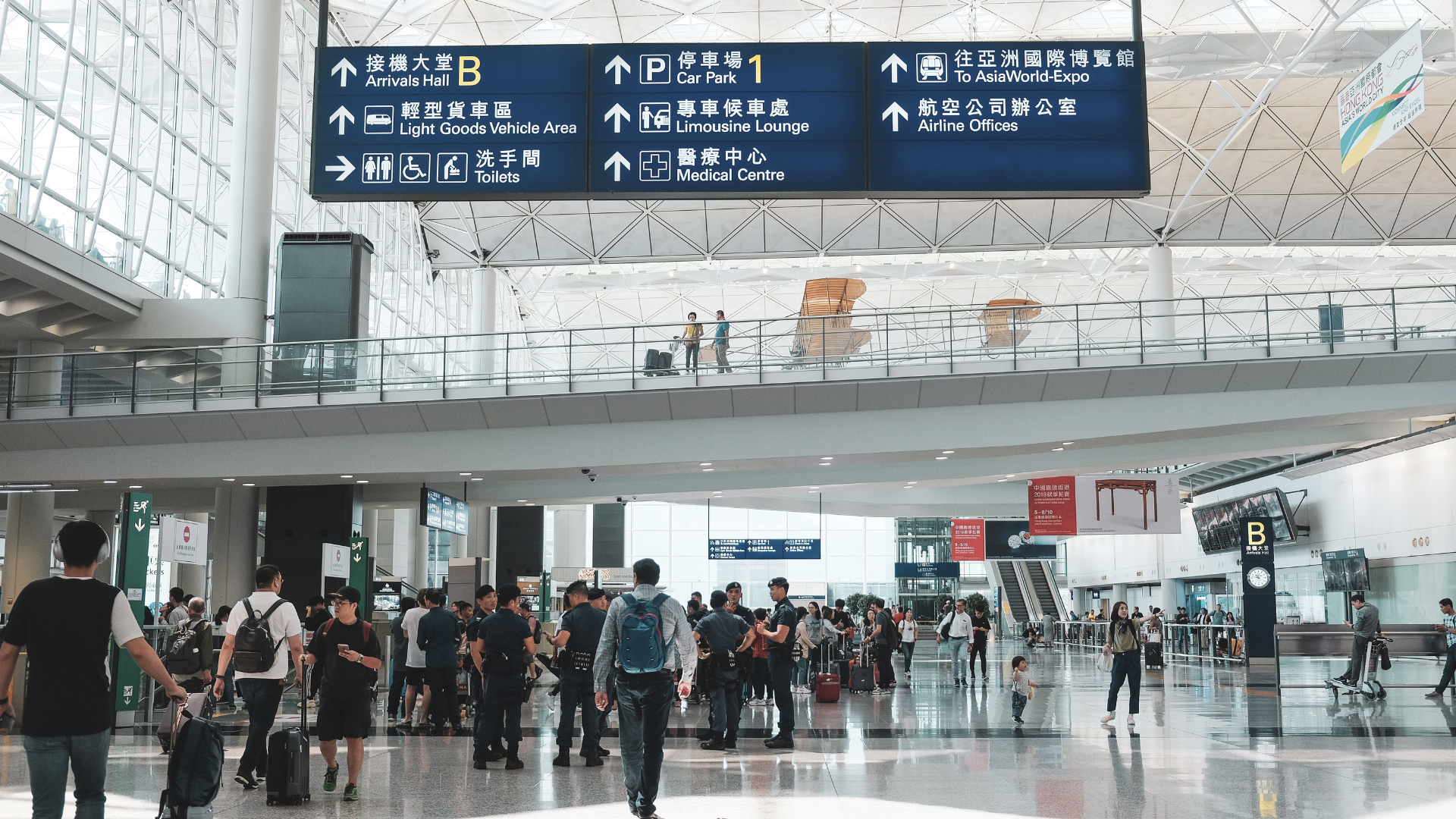
ACI World projects that airports will handle 10.2 billion passengers in 2026. It is a number that makes for a confident headline but an uncomfortable planning problem. Those passengers are not a forecast you respond to once they show up. They are a workload your workforce has to be ready for before the first of them walks through the doors.
Unfortunately, most workforce planning runs the other way around, they wait for the demand to rise and the pressure to build and, by then, hiring and training scramble to catch up. By the time the new people are qualified and on shift, the surge they were meant to handle has already passed and the next one is forming.
Hiring for today’s demand is already too late
There is a lag built into every workforce decision in aviation and it is rarely accounted for honestly. Recruiting takes time. Onboarding takes time. Training to the point of being operationally qualified, particularly in safety-critical and compliance-heavy roles, takes more time still. Add those stages together and the people you start recruiting today may not be fully ready for months.
So, if planning around current demand guarantees you are perpetually behind it, the question that matters is not how many qualified staff you need this week but how many you will need by the time anyone hired now is actually ready to work, and whether the pipeline can deliver them.
The number that should worry you is not the passenger count
The estimate of ten billion passengers may be the visible pressure but, what is already happening to the workforce meant to serve them is the one that is critical yet overlooked. People are leaving faster than passenger growth alone would explain. Boeing estimates the industry will need 2.4 million new aviation professionals by 2044 and roughly two-thirds of that demand is driven by attrition rather than fleet growth.
In ground handling, turnover has reached 50 percent in some regions and replacing a single worker can cost between 75 and 300 percent of their annual salary once recruitment, training, and lost productivity are counted. Growing demand met by a leaking workforce is a major structural risk to the operation.
Planning for demand you cannot yet see
Staffing for a surge before it lands requires a different kind of visibility than most airports have. You need to know, at any given moment, what skills and qualifications your workforce holds, where the gaps are against forecast demand, and how long it will realistically take to close them through hiring or training.
Held in spreadsheets and separate systems, that picture is impossible to keep current. The data ages faster than anyone can update it and forward planning collapses into reaction. Connected and kept live though, the same data lets you model what is coming and prepare for it. You can see a shortfall forming against next season's projections and start closing it now, while there is still time for training to take effect.
Confidence comes from readiness, not reaction
The airports that handle 2026's passenger volumes well will not be the ones that responded fastest when the pressure hit. They will be the ones that saw it coming and were already staffed and qualified for it.
That is the real advantage of forward workforce planning: it turns a daunting passenger projection from a problem you brace for into a demand you have already prepared to meet. The passengers are coming either way. The only variable within your control is whether your workforce is ready before they arrive.