
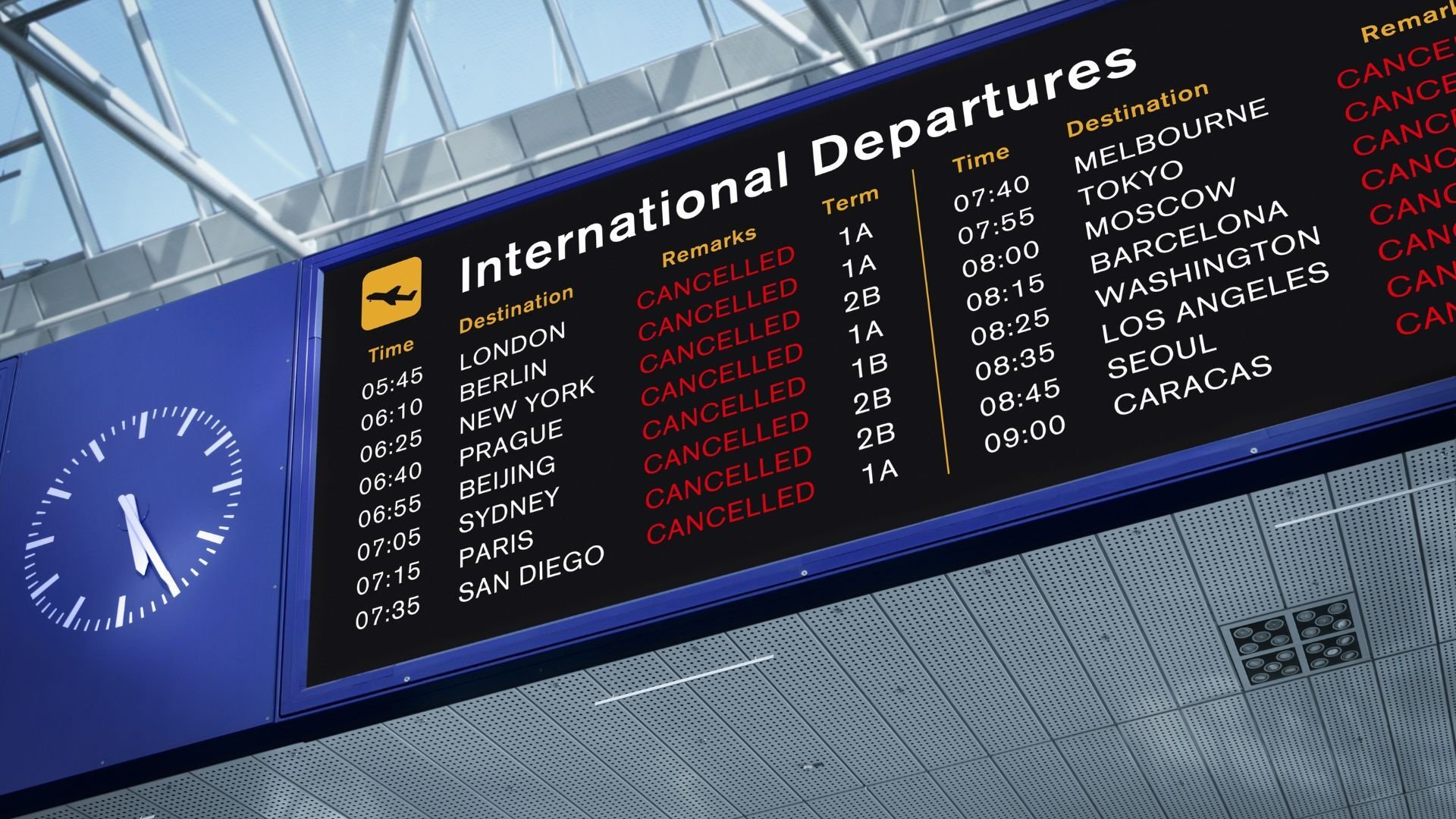
Airports are managing ever increasing passenger volumes along with more unpredictable operational patterns. Surges caused by seasonal travel, airline delays, or weather events create pressure across every part of the airport.
To respond effectively, airports need workforce capabilities that support agility, faster decision-making, and stronger collaboration.
This article outlines the capabilities leaders should prioritize to maintain safety, service, and operational continuity during peak periods and disruptions.
Stronger Forecasting and Scenario Planning
With IATA’s 2025 Global Outlook reporting an 18 percent increase in irregular operations compared to pre-pandemic levels, it's fair to say that passenger demand is no longer predictable.
Airports with stronger forecasting capabilities use historical data, flight schedules, weather patterns, and event calendars to predict where pressure will emerge allowing teams to prepare for multiple possible outcomes, whether a sudden spike in arrivals or cancellations that create congestion across terminals.
Similarly HR and operations teams need to have clarity and forecasting capabilities regarding their workforce and their skills to predict how it can evolve and adapt in order to prevent critical bottlenecks.
Cross-Functional Flexibility and Multi-Skilled Teams
ACI’s 2024 Workforce Study found that 62 percent of airports have restructured roles to increase flexibility. Multi-skilled teams are essential because they help redistribute workload when one area becomes overwhelmed.
For example:
- customer service staff trained in baggage processes can support luggage handling during backlogs
- ramp teams with basic terminal skills can assist with queue management during peak arrivals
- operations staff familiar with airline systems can help coordinate irregular operations
Cross-training improves responsiveness and reduces reliance on a small group of specialists during disruption.
Enhanced Situational Awareness and Decision-Making
Eurocontrol’s 2024 Human Performance Report found that airports with structured awareness training responded to incidents 30 percent faster.
Strong situational awareness means employees can recognize early signs of operational strain, understand the downstream impact, and escalate issues promptly. Airports are using scenario drills, short refreshers, and simulation-based exercises to strengthen this capability.
By ensuring your staff goes through regular training and tracking that training, airports can improve their team's decision-making in early moments of disruption, regain control sooner, and maintain safer operating conditions.
Digital Readiness Across Frontline Roles
As airports adopt more digital tools, digital readiness becomes essential. Gartner’s 2025 Digital Operations Report identified frontline digital proficiency as one of the strongest predictors of resilience.
While a lot of airports have started digitizing a lot of their systems relating to facilities and passenger management, it is only part of the bigger picture.
Digital readiness includes:
- using online tools for real-time updates
- understanding how operational data flows across teams
- troubleshooting basic system issues
- navigating automated processes confidently
By ensuring all required data flows automatically across the relevant department, digital capability helps teams coordinate more effectively during disruption.
Clear Capability Expectations and Role Alignment
Airports benefit from defined capability frameworks that outline the skills, behaviors, and responsibilities required for each role. Those capability frameworks give employees and managers alike clarity about what is expected during disruption, including when to adjust tasks, when to support other areas, and when to escalate.
This clarity strengthens teamwork, reduces hesitation, and ensures safety standards are maintained even when operations are under pressure.
Rapid, Modular Training and On-the-Job Refreshers
Long training sessions are difficult to schedule in fast-moving environments. ACI reported that airports using modular learning reduced task error rates by 22 percent. Micro-learning and on-the-job refreshers keep teams current with procedures without pulling them offline for long periods. Examples include:
- five-minute digital refreshers before shift start
- self-paced, modular online courses that can be done around the quieter shifts
- quick scenario walk-throughs during operational lulls
- targeted updates delivered directly on mobile devices
Rapid training cycles help teams stay confident and ready for unexpected events.
Traffic surges and disruptions are now a normal part of airport operations. Leaders who invest in forecasting capability, multi-skilled teams, situational awareness, digital readiness, capability clarity, and rapid learning equip their workforce to respond quickly and maintain performance.
These capabilities reduce operational risk and help airports deliver a smoother, safer passenger experience even when conditions change suddenly.